How Global Freight Is Disrupted by Iran Conflict
Assess exposure, reroute intelligently, secure insurance, and maintain operational visibility.
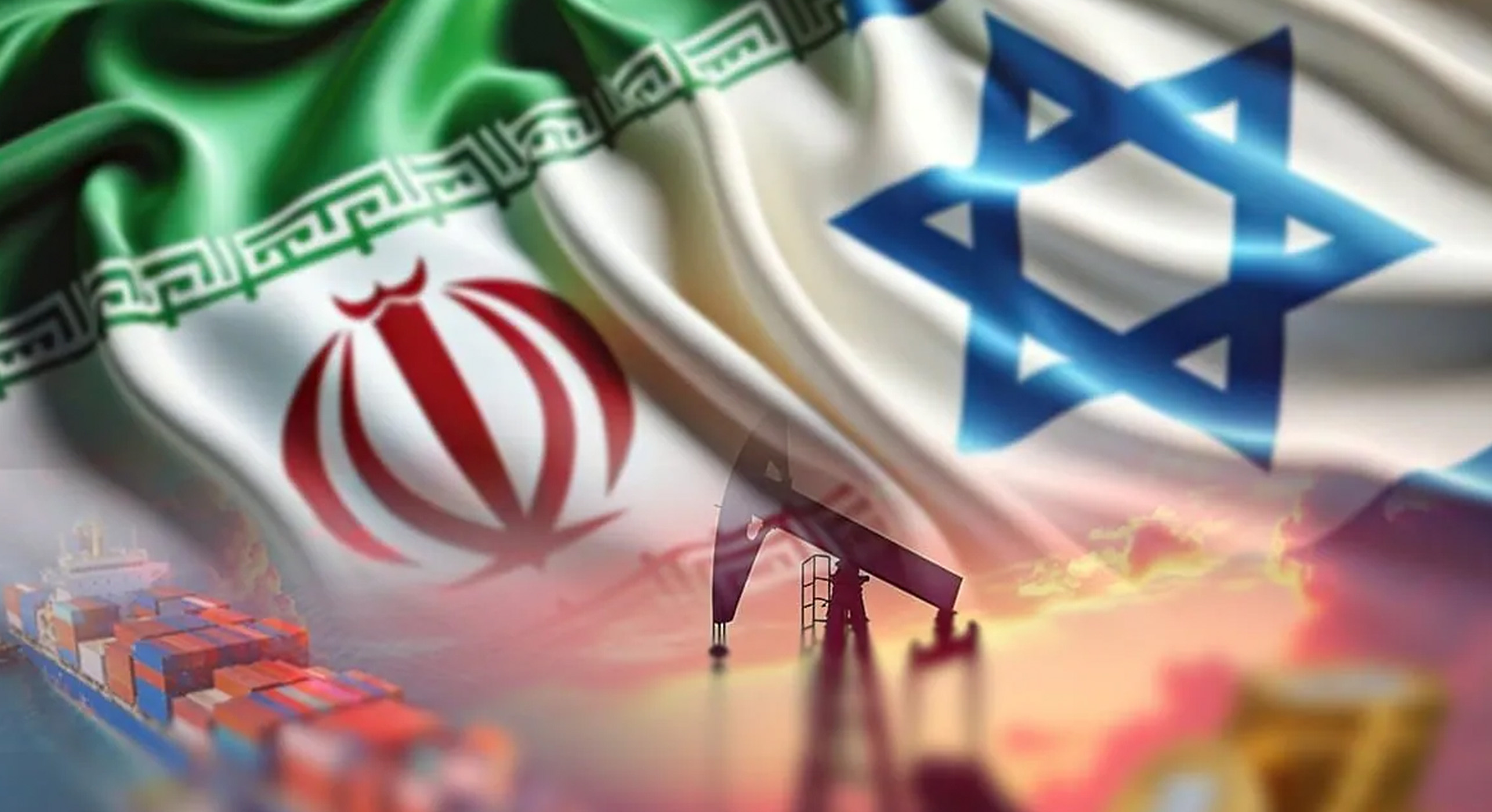
Geopolitical conflict in and around Iran has significant implications for global freight networks. The Strait of Hormuz and adjacent airspace are critical arteries for energy and non‑energy trade alike. When those corridors are compromised, ripple effects are immediate and widespread: vessels slow or wait offshore, carriers reroute around Africa’s Cape of Good Hope adding days and costs, airspace closures constrain lift capacity for high‑value and time‑sensitive goods, and insurers and carriers apply war‑risk surcharges. For manufacturers, exporters, importers, and logistics planners, the pressing question is how to preserve supply continuity, control costs, and protect critical cargoes during prolonged instability.
This post explains the core disruptions reported by the Economic Times (AP) and offers practical, actionable responses that logistics teams should adopt now.
The disruption landscape: what’s happening and why it matters
- Strait of Hormuz slowdowns and idle tonnage
The Persian Gulf is home to numerous export terminals and transit traffic. With hostilities affecting safe passage, vessel movements have slowed or stopped. Even if affected tonnage represents a small percentage of global capacity, local delays can produce global congestion as schedules shift, berthing windows move, and port resources become strained. - Longer transits due to rerouting
To avoid high‑risk waterways like the Red Sea and southern approaches, many carriers are detouring around the Cape of Good Hope. That detour typically adds 10–14 days to voyages and substantial fuel expense per vessel. Longer voyages also mean less predictable schedules, increased port stacking, and higher working capital tied up in transit. - Airspace closures and reduced airlift
Countries across the Middle East have restricted airspace and airport operations. Major carriers that provide belly capacity and freighter services from hubs such as Dubai, Doha, and Abu Dhabi are affected. Since air cargo carries a disproportionately high share of global trade value (pharmaceuticals, semiconductors, produce), reduced airlift can quickly cause product shortages and spike rates. - Rising insurance costs and surcharges
War‑risk premiums, emergency conflict surcharges, and extra fuel pass‑throughs are becoming common. Insurers reassess exposures in real time; marine policies may be withdrawn or re‑priced for vessels transiting proximate waters. Carriers pass on these costs to shippers, making landed costs volatile and harder to forecast. - Supply chain knock‑on effects
Longer lead times, higher freight costs, capacity scarcity, and reduced predictability strain inventory planning and increase the need for buffer stock or alternate sourcing. Production schedules, retail replenishment, and raw material availability can all be affected.
Immediate actions for logistics leaders
When risk levels rise, speed and clarity matter. Take these immediate steps:
- Conduct an exposure audit
Identify all active and planned shipments through affected corridors. Map critical SKUs, lead times, alternative suppliers, and inventory buffers. Prioritize shipments that are production‑critical, regulatory‑sensitive (e.g., pharma cold chain), or high value. - Run scenario costings
Quantify the impact of reroutes, airlift substitutions, and surcharges. Compare total landed cost, not just freight line items — include inventory carrying cost, potential production downtime, demurrage, and insurance impacts. This creates a rational basis for choosing among slower but cheaper sea options or faster—but costlier—air moves. - Engage carriers and insurers proactively
Open communication with carriers and insurers can unlock alternatives. Ask carriers for alternative routings, space guarantees, and consolidation options. Consult brokers early for war‑risk or political risk insurance; placement becomes more difficult as conflicts persist. - Prioritize and split shipments strategically
For high‑priority production items, consider splitting consignments: move the most urgent components by air through alternate hubs while the remainder sails on rerouted ocean services. This hybrid approach reduces the risk of full production stoppages while controlling incremental costs. - Revisit inventory and sourcing strategies
Increase safety stock for critical parts where cost‑effective; consider near‑shoring or secondary suppliers in alternate geographies to reduce exposure to a single corridor.
Operational tactics that reduce disruption
- Multi‑modal route engineering
Don’t view mode choices as binary. Multi‑modal solutions (rail, short sea, truck) combined with intelligent sequencing can preserve throughput. In some regions, transshipment via alternate ports and overland corridors can bypass high‑risk sea lanes. - Strengthen documentation and regulatory readiness
Conflict increases the likelihood of customs queries and permit needs. Prepare complete, accurate documentation and engage customs brokers to pre‑clear shipments where possible. For specialized or oversized project cargo, secure necessary permits and local clearances in advance. - Optimize load engineering and packaging
Longer sea transits and additional handling demand robust packaging and load engineering. Ensure cargo is secured for longer durations and potential additional transshipments to reduce damage claims and loss. - Use visibility and contingency triggers
Implement real‑time tracking and define exception thresholds that automatically trigger contingency workflows—alternate bookings, emergency airlift, or rerouting—reducing manual decision lag. - Negotiate surcharges and consolidate volumes
Work with carriers to lock rates where possible and use consolidation strategies to dilute surcharges across more cargo. Longstanding carrier relationships and volume leverage often secure better terms during turbulent periods.
Industry examples and sector impacts
- Pharmaceuticals: Airlift constraints endanger temperature‑sensitive shipments. Prioritize validated cold‑chain freighters, and secure insurance covering spoilage if delays occur.
- Semiconductors: High‑value, time‑sensitive components require prioritized routing; splitting shipments and pre‑staging inventory at regional hubs can maintain production lines.
- Fertilizers and petrochemical feedstocks: These are regionally concentrated commodities. Expect price pressure from longer transport and potential supply tightness; plan procurement and inventory to smooth input volatility.
Why working with an experienced logistics partner matters
A partner with deep freight market knowledge and crisis experience brings several advantages: rapid scenario planning, access to alternate capacity, brokered insurance placement, regulatory relationships, and tested contingency playbooks. Such partners can act as command centers during crises—negotiating with carriers, managing local operations, and maintaining buyer visibility.
Conclusion
The Iran‑related disruptions underscore a broader reality: modern supply chains must be resilient and flexible. The immediate effects—transit delays, reroutes, airspace closures, and rising surcharges—demand swift, pragmatic responses that combine route engineering, insurance, operational rigor, and clear prioritization. Logistics teams that move quickly to audit exposures, run scenario analyses, and adopt hybrid routing and inventory strategies will reduce the risk of production stoppages and protect margins.
If you’re concerned about current or future shipments passing through Middle Eastern corridors—or if you need help modeling scenarios, securing alternate capacity, or placing war‑risk insurance—connect with NAF Logistics today. Rapid assessment and decisive action are the difference between manageable disruption and costly downtime.